

Measles: What You Need to Know
What You Need to Know
Measles
- Measles spreads VERY easily through the air when a sick person coughs or sneezes.
- The measles virus can even stay in the air for up to 2 hours after a person has left the room.
- Measles can cause serious health issues, such as ear infections, pneumonia (lung infection), and swelling of the brain and airways.
- The best way to prevent measles is to get your shots. Anyone who isn’t vaccinated can get sick.
*2 doses of the vaccine are 97% effective at preventing measles*
*Measles spreads so easily that if one person has it, 9 out of 10 people around them will also get sick if they are not vaccinated.
*Visit CT WiZ to see your child’s vaccine records.
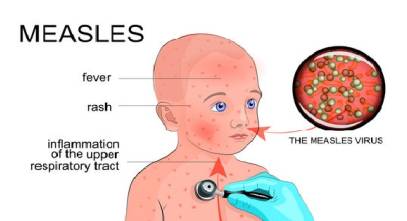
What Does Measles Look Like?
|
 |
|
About the Measles Vaccine (MMR):
- The MMR vaccine protects against 3 viruses: measles, mumps, and rubella.
The MMR vaccine does NOT cause measles.
- Some people have small reactions after the shot, such as a rash or fever. This is a sign their immune system is learning to fight the virus. It is NOT a measles infection and they cannot spread measles.
The MMR vaccine does NOT cause autism.
- Many large studies have shown that there is no association between MMR vaccination and autism. This applies to other vaccines as well.
The MMR vaccine is the ONLY way to stop measles from spreading.
It only takes one person getting measles abroad and bringing it back to the U.S. with them to cause an outbreak, especially within communities that have groups of unvaccinated people.
If you suspect you or one of your family members has been exposed to measles, call your doctor or local health department immediately. Please do NOT go directly to your doctor. You could infect others in the waiting room or while traveling to and from the doctor’s office if you do have measles. Your doctor will be able to tell you the next steps to take to protect yourself, your family and your community.
What Shots to Get:
Babies and Kids
- Children need 2 doses of the MMR vaccine, which protects against measles, mumps, and rubella.
- Your child gets their first dose between 12 and 15 months old
- They get the second dose between 4 and 6 years old.
Adults and Seniors
- Most adults who received 2 doses of the MMR vaccine as a child, AFTER 1967, are protected for life and do not need another dose.
- If you did not get the MMR vaccine as a child, you need 1 dose.
- If you are a healthcare worker, college students, or international traveler, you may need 2 doses. Talk to your doctor to learn more.
- Older adults who got the old MMR vaccine between 1963–1967 may not be protected anymore. Talk to your, or your loved ones’, doctor about getting the current MMR vaccine.
- Talk to your doctor if you are unsure if you are protected against measles. There are antibody tests that can tell you if you need an MMR vaccine.
Contact your doctor, community health center, local health department, or visit EasyVax.com or Vaccinefinder.org to find a local pharmacy.
All children aged 18 and younger can receive the MMR vaccine through the Connecticut Vaccine Program (CVP).
Where this information comes from: